
How to Help Your Child Stop Biting Their Nails
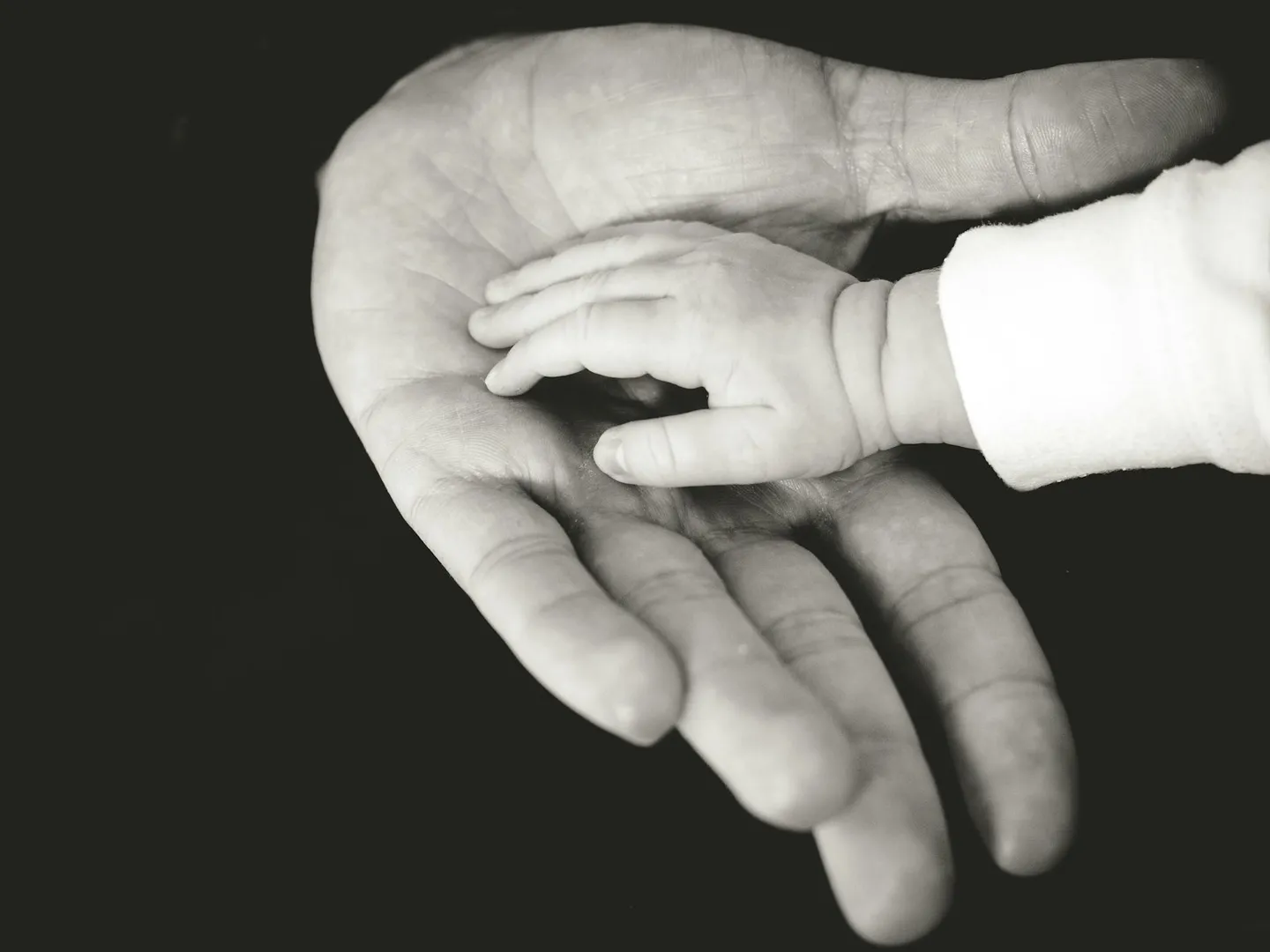
Photo by Liane Metzler
If your child bites their nails, the most helpful thing you can do is stay calm and stay kind. Child nail biting is one of the most common habits of childhood, it is usually developmentally normal, and it often fades on its own. What speeds it up: gentle awareness, a substitute for busy hands, praise for progress, and a look at what might be stressing your child. What slows it down: punishment, nagging, and shame, which pediatricians consistently warn make habits worse, not better.
That is the short version. The longer version below covers how common the habit really is, why the usual parental instincts backfire, what actually helps, and the one related behavior (hair pulling) that deserves a faster call to your pediatrician.
How common is nail biting in kids?
Very. In a community sample of 7 to 10 year olds, 22.3% had bitten their nails within the previous three months. A survey of pediatric dermatology patients found 37% reported past or present nail biting, with a median age of onset of just 5 years old. Rates tend to rise through the school years and peak in adolescence, then decline in adulthood.
The habit also runs in families. In that same community study, 36.8% of children who bit their nails had at least one family member who did too, most often a sibling or parent. Researchers think both genetics and imitation play a role: kids watch hands, including yours.
The American Academy of Pediatrics groups nail biting with other self-comforting childhood habits like hair twirling and thumb sucking. These behaviors typically emerge between ages 3 and 6, seem to serve a soothing or calming function, and frequently fade with time. In other words: a nail-biting 6 year old is not a red flag. It is close to a rite of passage.
Why do kids bite their nails?
For the same reasons adults do. Nail biting is a self-regulation behavior: it discharges nervous energy, soothes worry, and fills the gap when a child is bored, deep in thought, or watching a screen. If you want the fuller picture of the mechanics, the same loop drives nail biting in adults, and it belongs to a family of behaviors called body-focused repetitive behaviors, or BFRBs.
Common moments to watch for:
- Screen time (TV, tablets, long car rides)
- Homework or reading, when the mind is busy and hands are idle
- New or stressful situations: a new school, a test, friendship trouble
- Winding down before sleep
Noticing when your child bites is genuinely useful, because it tells you whether you are dealing with boredom, concentration, or worry. Each has a slightly different fix.
What not to do (this part matters most)
Almost every parent’s first instincts, pointing it out, scolding, pulling the hand away, threatening consequences, tend to make nail biting worse. The AAP’s guidance is blunt about this: calling attention to a habit with harsh words, ridicule, or punishment increases the tension the habit relieves, and the habit gets worse. Researchers studying childhood nail biting have made the same observation: parental punishment and pressure are rarely effective in the long term.
There is a simple logic to it. Nail biting is usually a tension-relief behavior. Shame adds tension. So shame feeds the exact state the habit exists to soothe, while also teaching your child to hide the behavior from you rather than work on it with you.
So skip these:
- Punishing or taking away privileges for biting
- Nagging (“hands out of your mouth!” on repeat all day)
- Shaming or comparing (“your sister doesn’t do that”)
- Forcing bitter polish onto an unwilling child. Bitter polish can help as a reminder, but only when the child agrees to it. Applied as a punishment, it becomes a battle you will lose.
One more reassurance: most childhood habits fade on their own as kids grow, often without any intervention at all. If the biting is mild and your child is unbothered, benign neglect is a legitimate, pediatrician-endorsed strategy.
How to help your child stop biting their nails
If the habit is bothering your child (teasing at school, sore fingers) or it is frequent enough that you want to help it along, these approaches work with a child’s brain instead of against it.
Get their buy-in first
Change goes far better when the child wants it. Ask gently whether the biting bothers them, and let them help choose the plan: the polish or no polish, the fidget or the sticker chart. A child who picked the plan will actually use it.
Build gentle awareness
Most nail biting happens on autopilot, so the first job is helping your child notice it, without an ounce of judgment. Agree on a private, neutral signal (a code word, a light touch on the shoulder) that means “hands” and nothing more. You can also keep a simple tally together of when biting happens. This is the kid-sized version of the awareness training step in habit reversal training, the best-supported behavioral treatment for nail biting at any age.
Give the hands something else to do
A habit is easier to replace than to erase. Offer a substitute for the moments you have identified: a fidget toy or smooth stone in the pocket for school and car rides, something to hold during screen time, a squeeze ball at homework. Children’s hospitals recommend teaching a simple competing response, like sitting on their hands or fidgeting with a pen, something the hands cannot do while biting.
Praise progress, ignore slips
The AAP is clear that positive reinforcement is the most successful way to change a child’s behavior. Sticker charts and small daily rewards work well for younger kids. Praise effort (“I noticed you used your squeeze ball during the movie”) rather than outcomes, and let slips pass without comment. Expect progress over weeks, not days.
Keep nails short and cared for
Short, smooth nails offer less to bite. Trim and file them regularly, and consider making it a small ritual together. For some kids, especially older ones, a professional-feeling “manicure night” builds pride in how their nails look, and pride is a quiet but powerful motivator.
Look for the stress underneath
If the biting spiked recently, ask what changed. A new teacher, a bully, a move, worries they have not voiced. Talk with your child and, if needed, their teacher. When biting is anxiety-driven, more exercise, predictable routines, and one-on-one time often do more than anything aimed at the nails themselves.
Hair pulling is a different story
One related behavior deserves a lower threshold for getting help: hair pulling. Occasional hair twirling is a common and harmless self-soothing habit. But repeated pulling that leaves thin patches or bald spots may be trichotillomania, a BFRB that tends to be more persistent and more distressing than nail biting, and that responds best to early, specialized treatment rather than waiting it out. (Adults deal with it too; see our guide on hair pulling.)
See a pediatrician promptly if you notice visible hair loss, if your child seems unable to stop despite wanting to, or especially if your child swallows pulled hair, which can cause a serious blockage in the stomach that sometimes requires surgery.
When to talk to a pediatrician or therapist
For ordinary nail biting, professional help is rarely needed. But it is worth a conversation with your pediatrician if:
| Sign | Why it matters |
|---|---|
| Bleeding, infected, or persistently painful fingertips | The biting is causing real physical harm |
| Biting alongside intense anxiety, sleep problems, or school refusal | The habit may be a symptom of something bigger |
| Your child is distressed, teased, or hiding their hands | The habit is affecting their wellbeing and confidence |
| Hair pulling with visible hair loss, or skin picking that wounds | These BFRBs warrant earlier specialized support |
| You have tried gentle strategies for months with no change and rising conflict | A therapist can run kid-adapted habit reversal training |
Worth knowing: in one pediatric study, nail biters were more likely than non-biters to have a diagnosable psychiatric condition (18% vs. 6%), most commonly ADHD or anxiety. Read that carefully, though. More than 80% of the nail biters had no diagnosis at all. Nail biting alone is not a disorder; it is only worth extra attention when it travels with other signs.
Therapists who work with kids typically use an adapted form of habit reversal training, often with parents involved as coaches. It is short-term, practical, and has the strongest evidence base of any BFRB treatment.
One last thing: your own hands
Remember that a third of kids who bite have a family member who bites. Children learn hand habits partly by watching, so quitting alongside your child, or even just working on your own habit openly, may be the single most persuasive move available to you. Our guide to stopping nail biting as an adult covers the evidence-based methods, and if you do your biting at a desk, Hands Down can flag it in real time while you work, so at least one member of the household has backup.
Be patient with your child and with yourself. Most kids leave nail biting behind as they grow. Your job is not to force the habit out; it is to make sure shame never moves in alongside it.