How to Stop Picking Your Skin: 6 Steps That Help
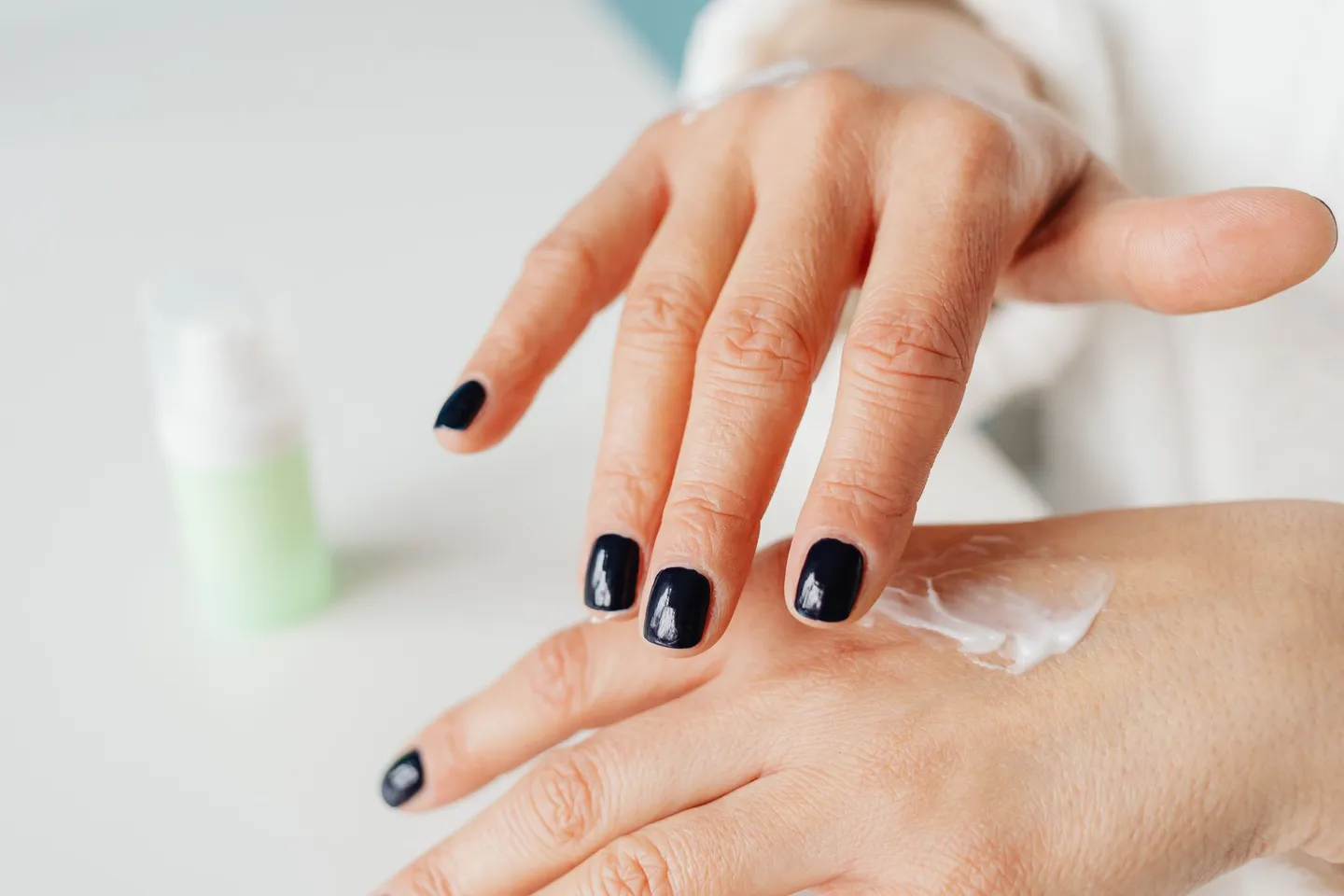
Photo by Kaboompics.com
To stop picking your skin, you need three things working together: fewer chances for your fingers to find something to pick (barriers and skin care), earlier awareness of the moment picking starts, and a replacement behavior for the urge itself. That combination, formalized as habit reversal training, is the treatment of choice for compulsive skin picking.
First, some reassurance. Skin picking that causes real damage has a name (excoriation disorder, or dermatillomania) and real numbers behind it: a study of over 10,000 U.S. adults found about 2 percent were currently dealing with it and 3 percent had experienced it in their lifetime. Many more people pick at a subclinical level. It’s one of the body-focused repetitive behaviors (BFRBs), the same family as nail biting and hair pulling, and it is treatable.
1. Map your picking for one week
Before changing anything, observe. For a week, note each picking episode: where you were (mirror, desk, couch, bed), what part of the skin, what preceded it (stress, boredom, noticing a bump), and whether you were aware at the start or only partway through.
Most people find two distinct patterns:
- Focused picking: often in front of a mirror, triggered by finding a perceived imperfection, with tension before and relief after
- Automatic picking: absent-minded scanning and picking while reading, watching, thinking, or on the phone
You’ll design different defenses for each, so knowing your mix matters.
2. Use habit reversal training
Habit reversal training (HRT) is the best-studied behavioral treatment for skin picking, per the Cleveland Clinic and Merck Manual. The loop:
- Awareness training. Learn your earliest links: the fingertips beginning to scan, the drift toward the face or arms, the lean toward the mirror.
- Competing response. At the first sign, do something incompatible with picking for a minute: clench a loose fist, press your palms flat on the desk, squeeze a putty or stress ball.
- Support. A therapist trained in HRT accelerates this a lot; a kind accountability partner helps too.
If picking is severe, a clinician may also discuss medication. SSRIs help some people, and the supplement N-acetylcysteine has supportive trial evidence for both skin picking and hair pulling. That’s a conversation to have with a doctor, not a solo experiment.
3. Raise the cost of picking
Stimulus control, or making picking physically harder, buys the seconds that awareness needs:
- Cover the tools: keep nails trimmed very short; wear finger cots, bandages, or thin cotton gloves during high-risk hours
- Cover the targets: long sleeves, or a hydrocolloid patch over the spot you keep returning to (it also helps the spot heal)
- Dim the trigger zone: many focused pickers relapse at the bathroom mirror. Use lower light, limit mirror time to a timed routine, or cover magnifying mirrors entirely
- Stow the implements: tweezers, pins, and comedone extractors go in a drawer in another room, or out of the house
4. Take care of the skin itself
Picking creates rough spots, scabs, and bumps, which then become the next targets. Breaking that supply chain is genuinely effective:
- Keep skin moisturized so there’s less dry, flaky texture to find
- Let dermatology handle what your fingers are trying to “fix”: treating acne or ingrown hairs removes the raw material
- When a spot is healing, cover it. A bandage is both a barrier and a reminder
- Keep hands busy with a substitute texture: putty, a picky pad, textured fidgets. For many pickers, the sensory feedback is the point, so choose a substitute that scratches the same itch
5. Get real-time awareness for automatic picking
Automatic picking has the same catch as every autopilot habit: all the techniques above depend on noticing, and you notice least exactly when you pick most (deep in a screen, absorbed in thought). This is the moment awareness tools earn their keep.
Hands Down is a macOS menu bar app we built for this gap. It watches through your camera entirely on-device and plays a soft chime the instant your hand crosses into the zone you define, whether you tend to pick at your face, scalp, or neck while working. It’s like a mirror that taps you on the shoulder, and because everything runs locally, nothing is recorded or leaves your Mac. Each chime is one caught episode, which is one rep of awareness training you didn’t have to do manually.
6. Lower the pressure underneath
Skin picking spikes with stress, anxiety, and boredom. The most common companions of excoriation disorder are anxiety and depression, and picking often functions as a pressure valve. You don’t have to fix your whole life to pick less, but small, regular releases help: movement breaks, brief breathing exercises between tasks, real wind-down time before bed (bedtime scanning is a classic episode).
Be alert to the shame spiral, too. Picking causes marks, marks cause shame, shame causes stress, stress causes picking. Treat healing spots with the neutrality you’d give a paper cut: cover it, care for it, move on. Kindness here is not indulgence; it’s mechanically part of the fix.
When to seek professional help
Reach out to a professional if picking causes wounds that get infected or scar, takes up noticeable time each day, or drives avoidance (skipping events, covering up in summer, avoiding cameras). The Cleveland Clinic recommends care from clinicians familiar with BFRBs, and directories like the TLC Foundation for BFRBs can help you find one. Therapy for skin picking has good outcomes; this is a solvable problem, not a life sentence.
Start with the week of mapping. Most people are surprised where their picking actually lives, and the map makes every other step easier to place.